
Article
Modern building management: efficiency through intelligent automation
How modern building management reduces operating costs and increases energy efficiency. A practical look at the link between building automation and energy management in Austria.
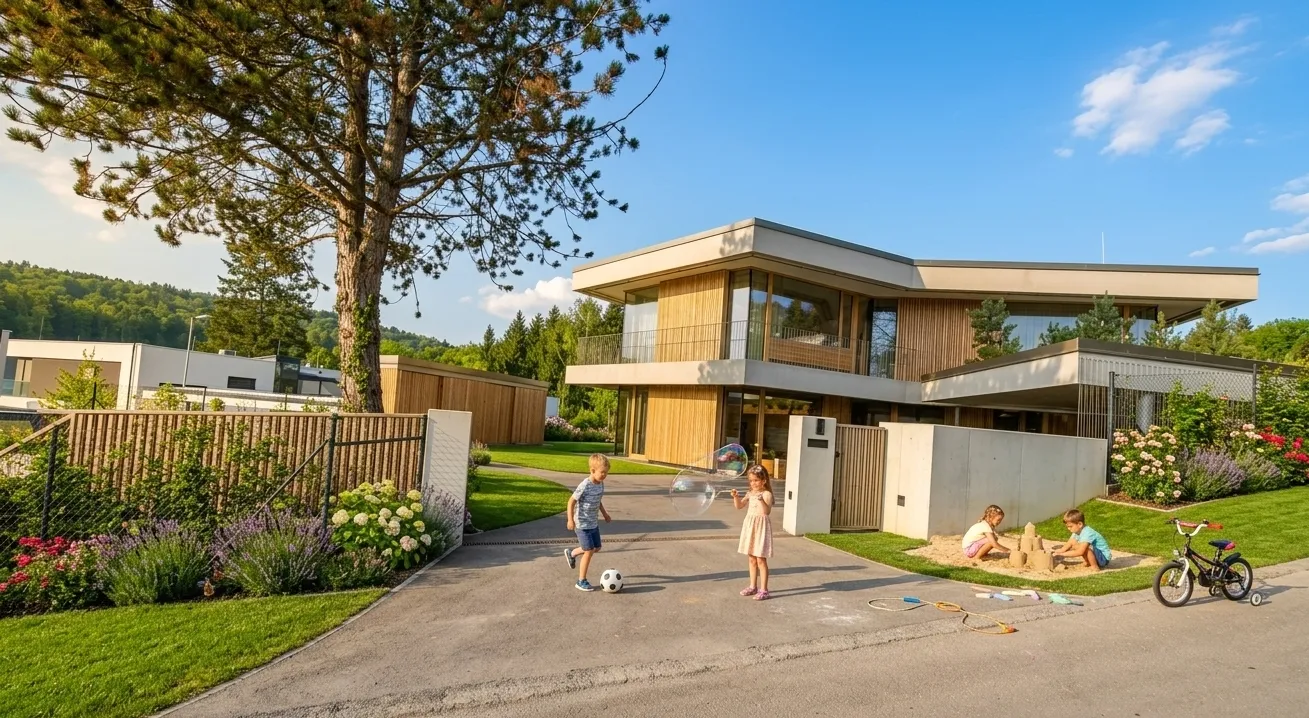
Building management is often confused with traditional property management today. However, in the era of the energy transition and digitalization, the core focus is on technical building management. The goal is to make the operation of real estate—whether commercial, industrial, or large-scale residential properties—as efficient, safe, and resource-friendly as possible.
The Pillars of Technical Building Management
Future-proof building management relies on three essential pillars:
- Building Automation (I&C Technology): The networking of heating, ventilation, air conditioning, lighting, and shading. Only when these systems communicate with each other can energy waste be avoided.
- Energy Management: The continuous recording and analysis of energy flows. If you don't measure your consumption, you can't optimize it.
- Maintenance Planning: Predictive maintenance prevents costly equipment breakdowns.
Energy Efficiency in Focus: Integration of Dynamic Tariffs
In Austria especially, volatile electricity prices are gaining importance. Modern building management responds to this by activating major consumers—such as heat pumps, ventilation systems, or EV charging stations—when electricity is inexpensive.
By connecting interfaces such as SpotpriceAPI.com for hourly electricity price forecasts up to 7 days into the future to building automation systems (e.g., via Loxone, Home Assistant, or ioBroker), the building virtually controls itself based on current market prices. This significantly lowers operating costs without compromising user comfort.
Benefits for Operators and Owners
- Lower operating costs: Energy savings of up to 30% are realistic through optimized operational management and automation.
- Preserving property value: Regular monitoring and optimized runtimes extend the service life of technical systems.
- ESG compliance: Companies increasingly have to submit CO2 reports. Transparent energy management provides the necessary data at the push of a button.
Conclusion
Building management is no longer merely an administrative task, but an active lever for cost reduction and CO2 reduction. By intelligently linking automation, sensor technology, and real-time market data, your property becomes fit for the future.