
Article
PV storage, 7-day forecast and true insularity: this is how the PV system becomes resistant to crises and costs
A PV system is only economical and crisis-proof if the storage size, predictive charging via a 7-day electricity price forecast and a real three-phase island capability work together perfectly.
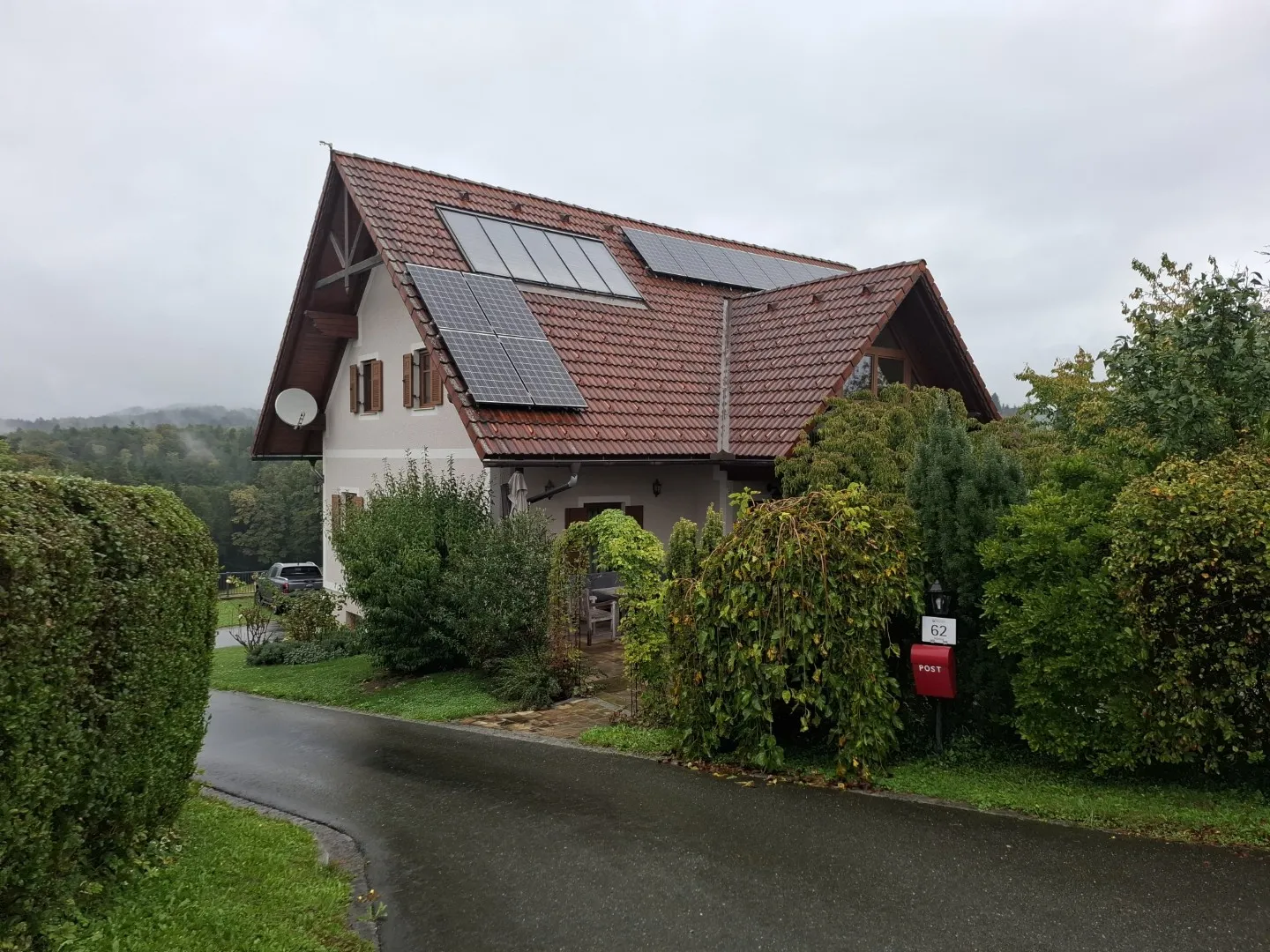
Optimizing PV Systems: Battery Size, 7-Day Forecast, and True Off-Grid Capability
Anyone investing in a photovoltaic system today wants to achieve maximum independence and minimum electricity costs. However, standard solutions often fall short. For economical and crisis-proof operation, three factors must be optimally coordinated: the battery size, a forward-looking charging strategy, and the type of emergency power supply.
1. The Optimal Battery Size: Covering Daily Needs
A battery storage system should be sized neither too small nor too large. The golden rule is: The storage system should cover average electricity consumption from sunset to the next sunset – typically 24 hours plus a small reserve.
- Too small: You have to buy expensive grid electricity even though there was a surplus during the day.
- Too large: The storage system never gets full in the winter months and never empty in the summer. As a result, the high investment costs do not pay off.
Sizing the battery capacity to at least the daily electricity demand ensures the most economical use of battery cycles and allows you to take full advantage of dynamic electricity tariffs in combination with a highly efficient energy management system, such as the one from M.ZEILER based on Loxone with a 7-day electricity price forecast.
2. 7-Day Electricity Price Forecast Instead of the 48-Hour Standard
Dynamic electricity tariffs offer huge savings potential. Many modern inverters already use weather and price forecasts, but usually limit themselves to a 24 to 48-hour window. In practice, this falls short.
A 7-day electricity price forecast (as can be implemented via advanced APIs like SpotpriceApi.com) enables a far more intelligent charging strategy:
- Weekend effect: Electricity prices are often particularly low on weekends due to lower industrial demand. With a 7-day forecast, the system can decide as early as midweek to keep the storage capacity free for cheap charging windows.
- Bad weather periods: If a multi-day rain front is approaching, the battery can be charged from the grid in advance during the cheapest nighttime hours of the coming days, instead of purchasing expensive electricity at short notice.
3. True Off-Grid Capability Must Be Three-Phase
An often overlooked point is the type of emergency power supply. Many inverters advertised as "emergency power capable" only activate a single socket on the device in an emergency or supply just one phase in the house.
In the Austrian power grid, however, households are connected via three phases as standard. Major essential consumers such as heat pumps, cooktops, or well pumps require a true three-phase field (3 phases).
- Single-phase emergency power: Only selected lighting circuits work. The heating system stays cold in an emergency.
- Three-phase off-grid capability: In the event of a power outage, the inverter disconnects all poles of the house from the public grid and builds its own stable, three-phase island grid. This is the only way to ensure a true continued power supply for the entire household.
Conclusion
A future-proof PV system is based on three pillars: a battery storage system sized to cover at least your system's daily demand, intelligent control with a 7-day price forecast to minimize costs, and a three-phase, off-grid-capable inverter for true crisis preparedness.